
Business insurance quote sets the stage for this enthralling narrative, offering readers a glimpse into a story that is rich in detail and brimming with originality from the outset.
As we delve into the intricacies of business insurance quotes, we uncover a world of protection and preparedness that every business owner should explore.
What is Business Insurance?
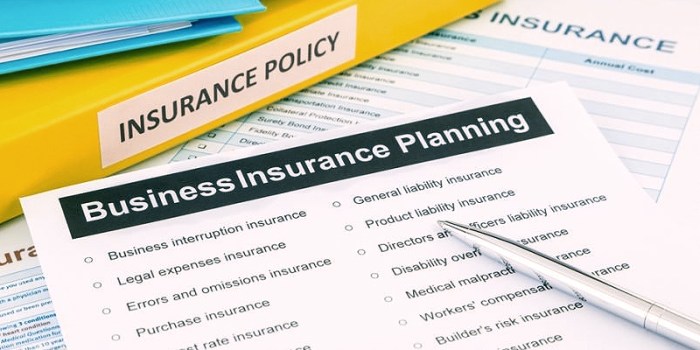
Business insurance is a type of coverage that helps protect businesses from financial losses resulting from unexpected events or circumstances. It is designed to provide financial protection to business owners in case of property damage, liability claims, or other risks that may arise during the course of business operations.Having business insurance is crucial for protecting the assets and livelihood of a business.
Without adequate insurance coverage, a business may be vulnerable to significant financial losses that could potentially lead to bankruptcy or closure. Business insurance provides peace of mind to business owners, knowing that they are protected against unforeseen events that could jeopardize their business operations.
Types of Business Insurance Coverage
- General Liability Insurance: Protects businesses from claims of bodily injury or property damage
- Property Insurance: Covers the physical assets of a business, such as buildings, equipment, and inventory
- Professional Liability Insurance: Also known as errors and omissions insurance, it protects professionals from negligence claims
- Workers' Compensation Insurance: Provides benefits to employees who are injured or become ill as a result of their work
- Business Interruption Insurance: Helps cover the financial losses a business incurs due to a temporary shutdown or suspension of operations
Why is Getting a Business Insurance Quote Important?
Obtaining a business insurance quote is crucial for protecting your business from unexpected financial losses. It provides you with an estimate of the cost of insurance coverage tailored to your specific needs, helping you make informed decisions.
Significance of Obtaining a Business Insurance Quote
A business insurance quote plays a vital role in risk management by identifying potential risks that your business may face and offering appropriate coverage options to mitigate those risks. It allows you to assess the financial impact of various scenarios and select the most suitable insurance policy.
Process of Requesting a Business Insurance Quote
Requesting a business insurance quote typically involves contacting insurance providers or brokers to discuss your business operations, assets, and potential risks. The insurance agent will assess your needs and provide you with a detailed quote outlining the coverage options, premiums, and terms of the policy.
It is essential to review the quote carefully, ask questions, and compare quotes from multiple providers to ensure you are getting the best coverage at a competitive price.
Factors Influencing Business Insurance Quotes

When it comes to getting a business insurance quote, there are several key factors that can influence the cost and coverage options available to you. Understanding these factors is crucial in making informed decisions for your business.
Business Size
- Smaller businesses with fewer employees and lower revenue may receive lower insurance quotes compared to larger corporations.
- The size of your business can impact the level of risk involved, which in turn affects the insurance premiums you are quoted.
Industry
- Businesses operating in high-risk industries such as construction or healthcare may face higher insurance quotes due to the increased likelihood of claims.
- The type of products or services your business offers can also influence the insurance rates, as some industries are more prone to liability risks.
Location
- The location of your business can play a significant role in determining insurance costs, especially if you are located in an area prone to natural disasters or with higher crime rates.
- Insurance providers take into account the local risks and regulations when calculating your insurance quote.
Coverage Needs
- The specific insurance coverage your business requires will directly impact the quotes you receive.
- Businesses with comprehensive coverage needs, such as those with high-value assets or multiple locations, may have higher insurance premiums.
How to Obtain a Business Insurance Quote
To get a business insurance quote, there are specific steps you need to follow to ensure you receive accurate and tailored coverage for your business. It is important to prepare adequately before requesting a quote to make the process smoother and more efficient.
Additionally, providing accurate information is crucial in obtaining a quote that meets your business needs.
Steps in Getting a Business Insurance Quote
- Research Different Insurance Providers: Take the time to research and compare various insurance companies to find the one that offers the best coverage options for your business.
- Determine Your Insurance Needs: Identify the specific risks and liabilities your business faces to determine the type and amount of coverage you require.
- Contact Insurance Agents: Reach out to insurance agents or brokers who specialize in business insurance to discuss your needs and gather quotes.
- Provide Necessary Information: Be prepared to provide detailed information about your business operations, revenue, assets, and any previous insurance claims.
- Review and Compare Quotes: Once you receive quotes from different providers, carefully review and compare the coverage, limits, deductibles, and premiums to make an informed decision.
- Select the Best Option: Choose the insurance policy that offers the most comprehensive coverage at a competitive price to protect your business effectively.
Tips for Preparing to Request a Business Insurance Quote
- Organize Your Business Information: Gather all relevant documents and information about your business, including financial records, inventory lists, and employee details.
- Understand Your Risks: Have a clear understanding of the potential risks and liabilities your business may face to ensure you request the appropriate coverage.
- Ask Questions: Don't hesitate to ask insurance agents about any aspects of the coverage or policy terms that you don't understand to make an informed decision.
- Consider Bundling Policies: Inquire about bundling multiple insurance policies, such as liability and property insurance, to potentially receive discounts and save on premiums.
Importance of Providing Accurate Information
- Ensures Adequate Coverage: Providing accurate information allows insurance companies to tailor coverage to your specific needs, ensuring you are adequately protected.
- Prevents Coverage Gaps: Inaccurate information can lead to coverage gaps or exclusions in your policy, leaving your business vulnerable to financial losses.
- Affects Premium Costs: Accurate information helps insurers assess the risks associated with your business accurately, which can impact the cost of your premiums.
- Basis for Claims Processing: Accurate information is crucial for smooth claims processing in the event of a loss, avoiding delays or disputes with the insurance company.
Understanding Business Insurance Coverage Options
When obtaining a business insurance quote, it is essential to understand the various coverage options available to ensure that your business is adequately protected in case of unexpected events. Selecting the appropriate coverage based on your specific business needs is crucial to mitigate risks and avoid financial losses.
Types of Coverage Options
- General Liability Insurance: Provides coverage for third-party bodily injury, property damage, and advertising injury claims.
- Property Insurance: Protects your business property, equipment, and inventory from damage or loss due to events like fire, theft, or vandalism.
- Business Interruption Insurance: Covers lost income and expenses in the event that your business operations are disrupted due to a covered peril.
- Professional Liability Insurance: Also known as Errors and Omissions insurance, it protects against claims of negligence or inadequate work.
Significance of Selecting Appropriate Coverage
Choosing the right coverage options tailored to your business needs is crucial for ensuring comprehensive protection. For instance, a retail business may require property insurance to safeguard inventory, while a consulting firm may need professional liability insurance to mitigate risks associated with providing advice or services.
Scenarios Where Specific Coverage Options Are Beneficial
- Example 1: A customer slips and falls in your retail store, resulting in a bodily injury claim. General liability insurance would cover the medical expenses and legal fees associated with the incident.
- Example 2: A fire breaks out in your office building, causing damage to your equipment and disrupting business operations. Property insurance would help cover the cost of replacing the damaged property and compensate for lost income during the interruption.
- Example 3: A client sues your consulting firm for alleged errors in the advice given, leading to a professional liability claim. Professional liability insurance would cover the legal expenses and potential damages resulting from the claim.
Cost Considerations in Business Insurance Quotes
Business insurance premiums are determined based on various factors, including the type of coverage needed, the size of the business, the industry it operates in, the location of the business, and the past claims history. Insurance providers assess these factors to calculate the level of risk associated with insuring a particular business, which ultimately influences the cost of the insurance premium.
Factors Influencing Insurance Premiums
- Industry Risk: Some industries are considered riskier than others, leading to higher insurance premiums. Businesses operating in high-risk industries such as construction or healthcare may face higher costs.
- Business Size: The size of the business, including the number of employees and annual revenue, can impact insurance premiums. Larger businesses with more assets may pay higher premiums.
- Location: The location of the business plays a role in determining insurance costs. Businesses located in areas prone to natural disasters or high crime rates may face higher premiums.
- Claims History: A business's past claims history can affect insurance premiums. A history of frequent or costly claims may result in higher premiums.
Ways to Reduce Insurance Costs
- Implement Risk Management Strategies: Proactively managing risks within the business can help reduce the likelihood of claims and lower insurance costs. This can include safety training, regular equipment maintenance, and security measures.
- Bundle Policies: Some insurance providers offer discounts for businesses that bundle multiple types of coverage, such as general liability and property insurance, with the same provider.
- Shop Around: It's essential for businesses to compare quotes from multiple insurance providers to find the most competitive rates. Different insurers may offer varying premiums for the same coverage.
- Adjust Coverage Limits: Reviewing and adjusting coverage limits based on the business's needs can help optimize insurance costs. Ensuring coverage is neither insufficient nor excessive can help balance coverage needs with budget constraints.
Balancing Coverage Needs with Budget Constraints
- Assess Risks: Conduct a thorough risk assessment to identify the most critical risks facing the business. This can help prioritize coverage needs and allocate budget accordingly.
- Consult with an Insurance Agent: Working with an experienced insurance agent can help businesses navigate coverage options and find cost-effective solutions that meet their specific needs.
- Regularly Review Policies: It's important for businesses to regularly review their insurance policies to ensure they are up to date and aligned with the evolving needs of the business. Making adjustments as needed can help maintain adequate coverage while managing costs.
Final Summary
In conclusion, navigating the realm of business insurance quotes can be a daunting task, but armed with the right knowledge and understanding, businesses can safeguard their future with confidence and peace of mind.
FAQ Overview
What factors are considered when determining a business insurance quote?
Insurance companies take into account various factors such as business size, industry type, location, coverage needs, and past claims history when calculating a quote.
How can businesses reduce their insurance costs?
Businesses can potentially lower their insurance premiums by implementing risk management strategies, maintaining a good claims history, and comparing quotes from different insurers.
Why is it important to provide accurate information when requesting a business insurance quote?
Accurate information ensures that the quote is tailored to the specific needs of the business, leading to appropriate coverage and avoiding potential gaps in protection.