

Navigating the world of private health insurance can be overwhelming, but fear not. In this detailed guide, we delve into the intricacies of choosing the best private health insurance plan that suits your needs and budget. From understanding different plan types to maximizing coverage while managing costs, this article covers it all.
So, let's embark on this journey to secure your health and peace of mind.
Private health insurance offers a plethora of benefits compared to public options, ensuring more tailored coverage and access to a wider range of healthcare services.
Importance of Private Health Insurance
Having private health insurance is essential for individuals and families to ensure access to quality healthcare without financial burden. Private health insurance offers numerous benefits compared to public health insurance, providing more personalized care and additional coverage options. Let's delve into the reasons why private health insurance is crucial for managing healthcare needs effectively.
Comprehensive Coverage
Private health insurance plans typically offer more comprehensive coverage than public health insurance. This includes access to a wider network of healthcare providers, shorter wait times for appointments and procedures, and additional services such as dental and vision care. With private health insurance, individuals can receive tailored healthcare solutions that suit their specific needs and preferences.
- Private health insurance plans often cover elective procedures and specialized treatments that may not be included in public health insurance.
- Individuals with private health insurance have the flexibility to choose their preferred doctors, hospitals, and specialists for medical care.
- Private health insurance can also offer benefits such as wellness programs, preventive care services, and alternative therapies to promote overall health and well-being.
Types of Private Health Insurance Plans
Private health insurance plans come in various types to cater to different needs and preferences. Understanding the differences between these plans can help individuals make informed decisions about their healthcare coverage.
Health Maintenance Organization (HMO)
- HMOs require members to choose a primary care physician (PCP) who coordinates all healthcare services.
- Referrals are needed to see specialists, and out-of-network care is typically not covered.
- Costs are usually lower, but there may be limited provider choices.
Preferred Provider Organization (PPO)
- PPO plans offer more flexibility in choosing healthcare providers, allowing members to see specialists without referrals.
- Out-of-network care is covered, but at a higher cost to the member.
- Monthly premiums are higher compared to HMOs, but members have more freedom in selecting providers.
High-Deductible Health Plan (HDHP)
- HDHPs have lower monthly premiums but come with higher deductibles that must be met before insurance coverage kicks in.
- These plans are often paired with Health Savings Accounts (HSAs) to help offset out-of-pocket costs.
- HDHPs are suitable for individuals who are generally healthy and do not anticipate frequent medical expenses.
Factors to Consider When Choosing a Plan
Choosing the right private health insurance plan can be a daunting task, but considering certain key factors can help individuals make an informed decision that meets their needs and budget.
Coverage
- Consider the specific medical services and treatments that are covered by the plan. Make sure it includes essential services like hospital stays, doctor visits, prescription drugs, and preventive care.
- Check if the plan covers pre-existing conditions or any chronic illnesses you may have.
- Look into whether the plan offers coverage for specialist consultations, mental health services, and alternative therapies if needed.
Cost
- Compare the monthly premiums, deductibles, and co-payments of different plans to determine which one fits your budget.
- Consider the out-of-pocket maximum, which is the most you'll have to pay for covered services in a year. A lower out-of-pocket maximum can provide financial protection in case of a medical emergency.
Network
- Check if your preferred healthcare providers, hospitals, and pharmacies are included in the plan's network. Using in-network providers can help you save on costs.
- Understand the restrictions and costs associated with seeing out-of-network providers, as some plans may not cover services outside their network.
Additional Benefits
- Explore the additional benefits offered by the plan, such as coverage for vision and dental care, maternity services, or wellness programs.
- Consider any extra perks like telemedicine services, gym memberships, or discounts on health-related products that may be included in the plan.
Cost of Private Health Insurance
Private health insurance can be a valuable investment in ensuring access to quality healthcare services. However, the cost of private health insurance can vary significantly based on several factors. Understanding these factors and how they influence overall expenses is crucial in making informed decisions about your coverage.
Factors Influencing the Cost of Private Health Insurance
- The age of the policyholder: Younger individuals typically pay lower premiums compared to older individuals due to lower healthcare utilization.
- Medical history and current health status: Pre-existing conditions or a history of chronic illnesses can lead to higher premiums.
- Coverage options and benefits: The extent of coverage, including services like maternity care or mental health treatment, can impact the cost.
- Location: Healthcare costs can vary by region, affecting the overall cost of insurance.
How Premiums, Deductibles, Copayments, and Coinsurance Affect Overall Expenses
- Premiums: This is the amount you pay for your insurance coverage, typically on a monthly basis. Higher premiums often mean lower out-of-pocket costs for medical services.
- Deductibles: The amount you must pay out of pocket before your insurance coverage kicks in. Higher deductibles usually result in lower premiums but higher out-of-pocket costs for healthcare services.
- Copayments: A fixed amount you pay for specific services, such as a doctor's visit or prescription medication. Copayments can vary based on the type of service.
- Coinsurance: The percentage of costs you must pay for covered services after meeting your deductible. For example, if your coinsurance is 20%, you would pay 20% of the cost, and your insurance would cover the remaining 80%.
Strategies to Manage the Cost of Private Health Insurance
- Compare plans: Evaluate different insurance options to find a plan that offers the coverage you need at a price you can afford.
- Consider higher deductibles: If you are generally healthy and do not anticipate significant medical expenses, choosing a plan with a higher deductible can lower your monthly premiums.
- Utilize preventive care: Taking advantage of preventive services covered by your insurance can help you avoid more costly medical treatments in the future.
- Health Savings Account (HSA): If eligible, contribute to an HSA to save money tax-free for medical expenses, reducing your out-of-pocket costs.
Coverage and Exclusions
Private health insurance typically covers a wide range of medical services and treatments, providing individuals with access to better healthcare options. However, there are certain exclusions in these policies that policyholders need to be aware of to avoid any surprises when making a claim.
Coverage
Private health insurance plans generally cover services such as hospital stays, surgeries, specialist consultations, diagnostic tests, and prescription medications. They also often include coverage for extras like dental, optical, physiotherapy, and mental health services. This comprehensive coverage allows individuals to receive timely and quality healthcare without the long wait times often associated with public healthcare systems.
- Emergency room visits
- Inpatient and outpatient hospital care
- Prescription medications
- Specialist consultations and treatments
- Dental and optical services
- Mental health services
Exclusions
Despite the extensive coverage offered by private health insurance, there are certain exclusions that are commonly found in most policies. These exclusions may vary depending on the insurance provider and the specific plan chosen. Common exclusions include pre-existing conditions, cosmetic procedures, experimental treatments, and certain elective surgeries.
- Cosmetic procedures such as plastic surgery
- Experimental treatments and procedures
- Coverage for pre-existing conditions
- Elective procedures not deemed medically necessary
- Services not approved by the insurance provider
Limitations and Denials
There are situations where coverage under a private health insurance plan might be limited or denied. This can happen if the treatment is considered medically unnecessary, not covered under the policy, or if the policyholder has reached the maximum benefit limit.
In some cases, coverage may also be denied if the claim is not submitted within the specified timeframe or if the treatment was not performed by an approved healthcare provider.
It is important for individuals to carefully review their policy documents and understand the coverage and exclusions to avoid any misunderstandings or unexpected costs.
Additional Benefits and Add-Ons

When choosing a private health insurance plan, it's important to consider the additional benefits and add-ons that some plans may offer. These extra benefits can enhance your overall coverage and provide you with more comprehensive healthcare options.
Dental Coverage
Some private health insurance plans include dental coverage as an add-on. This can help offset the cost of routine dental exams, cleanings, and procedures, ensuring that your oral health is taken care of along with your general health.
Vision Coverage
Vision coverage is another common add-on that can be included in private health insurance plans. This coverage typically helps cover the cost of eye exams, prescription glasses, and contact lenses, making it easier for you to maintain good vision health.
Mental Health Coverage
Mental health coverage is an important add-on that provides support for mental health services such as therapy, counseling, and psychiatric care. This can be crucial for those dealing with mental health conditions and ensures that they have access to the care they need.
Wellness Programs
Some private health insurance plans offer wellness programs as an additional benefit. These programs may include discounts on gym memberships, nutrition counseling, and preventive screenings, encouraging healthy lifestyle choices and preventive care.
Alternative Therapies
Certain private health insurance plans may also offer coverage for alternative therapies such as acupuncture, chiropractic care, and massage therapy. This can provide additional treatment options for those looking for non-traditional approaches to healthcare.
Prescription Drug Coverage
Add-ons for prescription drug coverage are also available in some private health insurance plans. This can help offset the cost of medications prescribed by healthcare providers, ensuring that you have access to necessary medications without breaking the bank.
Provider Networks and Access to Care
When it comes to private health insurance, provider networks play a significant role in determining the access to care for policyholders. Provider networks consist of healthcare professionals, hospitals, and other medical facilities that have agreements with the insurance company to provide services at a negotiated rate.
Significance of Provider Networks
Provider networks are crucial as they directly impact the coverage and costs associated with healthcare services. By choosing providers within the network, policyholders can benefit from discounted rates and full coverage as per the insurance plan. On the other hand, opting for out-of-network providers may result in higher out-of-pocket expenses and limited coverage.
Impact of Access to Care
Access to care is influenced by the availability of in-network providers who have a contractual agreement with the insurance company. In-network providers typically offer services at lower costs and are covered by the insurance plan, ensuring that policyholders receive the necessary care without incurring substantial expenses.
On the contrary, seeking care from out-of-network providers may lead to higher costs and reduced coverage.
Scenarios Affecting Healthcare Costs
- Scenario 1: John visits an in-network primary care physician for a routine check-up covered by his insurance plan, resulting in minimal out-of-pocket costs.
- Scenario 2: Sarah decides to see an out-of-network specialist for a consultation, leading to higher expenses as the services are not fully covered by her insurance.
- Scenario 3: Mark requires emergency care and is taken to the nearest hospital, which happens to be out-of-network, causing significant financial burden due to limited coverage.
Customer Satisfaction and Ratings
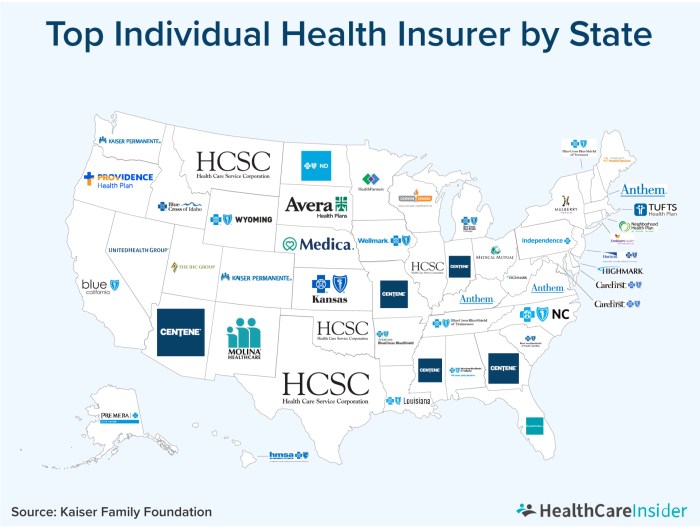
Customer satisfaction and ratings play a crucial role in choosing a private health insurance provider. It is essential to consider the experiences of other policyholders to gauge the quality of service you can expect. Reviews and ratings provide valuable insights into the overall customer experience, helping individuals make informed decisions when selecting a plan.
Importance of Customer Satisfaction Data
- Customer satisfaction data reflects the level of service and support provided by the insurance company.
- Positive reviews indicate reliability, efficiency, and responsiveness of the insurer.
- Negative feedback can highlight issues such as claim denials, delayed payments, or poor customer service.
Evaluating Customer Satisfaction Effectively
- Look for reputable sources of reviews, such as consumer advocacy websites or independent research firms.
- Consider the volume of reviews to ensure a balanced perspective on the insurer's performance.
- Focus on specific aspects mentioned in reviews, such as claim processing, network coverage, and communication.
- Compare ratings across multiple platforms to get a comprehensive view of the insurer's reputation.
Summary
In conclusion, selecting the best private health insurance plan requires careful consideration of various factors like coverage, cost, and additional benefits. By weighing these aspects thoughtfully, you can make an informed decision that safeguards your health and financial well-being in the long run.
Here's to a healthier and happier future with the right private health insurance plan in place.
FAQ Explained
What benefits does private health insurance offer over public health insurance?
Private health insurance typically provides more extensive coverage options, faster access to specialists, and more control over healthcare choices compared to public health insurance.
How can I effectively compare different private health insurance plans?
When comparing plans, consider factors like coverage limits, premiums, deductibles, and network providers. Use online tools and resources to help streamline the comparison process.
Are dental, vision, and mental health coverage usually included in private health insurance plans?
These services are often offered as additional benefits or add-ons to standard health insurance plans. Be sure to check with your provider for specific coverage details.